
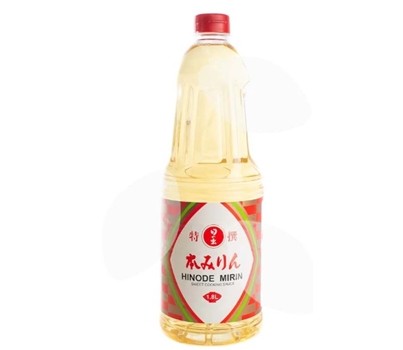
MIRIN 1.8L
Gift Tree Code: AU-NZ-112830
MIRIN 1.8L
\nAuthentic Japanese Sweet Cooking Wine for Flavourful and Balanced Cuisine
\n\n MIRIN 1.8L is a premium Japanese sweet rice wine that has long been a cornerstone of Japanese cooking. Known for its rich umami depth,\n glossy finish, and subtle sweetness, mirin adds body, shine, and balance to a wide range of dishes. Whether you’re crafting authentic\n teriyaki sauce, perfectly glazed grilled meats, or delicately seasoned stir-fries, this large 1.8-litre bottle offers both value and\n versatility for frequent home cooks, restaurants, and catering operations in New Zealand.\n
\n\n More than just a sweetener, mirin serves as a complex flavour-enhancer, emulsifier, and seasoning base. For those passionate about East\n Asian cooking or seeking to broaden their culinary range, having mirin on hand is essential. In a modern Kiwi kitchen that embraces\n multiculturalism and fusion, this product supports flavour development and authenticity across a wide range of dishes.\n
\nWhat is Mirin?
\n\n Mirin is a traditional Japanese sweet rice wine used exclusively for cooking. It is made from fermented glutinous rice\n (also called mochi rice), koji (fermented rice culture), and shochu or alcohol. During the fermentation process, the starches are converted\n into sugars, giving mirin its characteristic sweetness and syrupy texture.\n
\n\n Mirin contains a lower alcohol content than sake and is rarely consumed as a beverage. Instead, it is appreciated for its ability to elevate\n the umami character\n of dishes, balance salty and savoury ingredients like soy sauce, and impart a signature Japanese profile that cannot be substituted with\n sugar alone.\n
\n\n The large 1.8L size is especially beneficial for commercial kitchens, frequent home cooks, and those who regularly prepare Asian meals. It\n ensures that the pantry is always stocked with this foundational ingredient.\n
\nOrigins and Culinary Importance
\n\n In Japanese cuisine, mirin is considered a core pantry ingredient alongside soy sauce, miso, and rice vinegar. Its roots date back over 400\n years, and it continues to be used in both traditional and contemporary Japanese kitchens. From sushi rice seasoning to grilled fish glazes,\n mirin offers:\n
\n- \n
- A delicate sweetness that tempers saltiness and acidity
- A glossy finish to sauces and coatings
- An ability to mask undesirable odours in fish and meat
- A mild alcoholic note that evaporates during cooking, deepening overall flavour
\n The presence of natural sugars in mirin also promotes caramelisation during grilling and roasting, making it a prized ingredient in Japanese\n BBQ and teppanyaki.\n
\nCommon Types of Mirin
\nMirin typically comes in three varieties:
\n- \n
- \n Hon Mirin (Real Mirin) – Contains about 14% alcohol and no added sugar. Aged and fermented, it offers the most complex\n flavour.
\n \n - \n Shio Mirin (Salted Mirin) – Contains around 1.5–2% salt and a lower alcohol content to avoid alcohol tax; mainly used for\n cooking.
\n \n - \n Aji-Mirin (Mirin-Style Seasoning) – Lower in alcohol, often contains added sugar or corn syrup. More affordable and\n commonly found in international supermarkets.
\n \n
\n MIRIN 1.8L typically falls under the Aji-Mirin or cooking mirin category—making it a perfect balance of\n affordability and utility for most culinary uses in New Zealand homes and restaurants.\n
\nKey Characteristics of This Mirin
\n\n This 1.8L bottle of mirin is designed for long-term use and high-frequency cooking, especially in larger households or food\n service environments. The characteristics include:\n
\n- \n
- Volume: 1.8 litres (bulk format for cost-efficiency)
- Texture: Syrupy and light-bodied
- Flavour Profile: Sweet, rich, lightly tangy, mild alcohol essence
- Colour: Clear to golden amber
- Usage: For glazing, marinades, stir-fries, broths, and sauces
\n The sweet notes are derived from natural fermentation or added sugars, while the modest alcohol content enhances aroma and flavour\n complexity during cooking.\n
\nCore Culinary Applications
\nTeriyaki and Glazes
\n\n Mirin is a central ingredient in teriyaki sauce, where it is combined with soy sauce, sugar, and sometimes sake to create a\n sweet-savory coating for meats, tofu, and seafood. The sugars in mirin caramelise during cooking, producing a rich glaze that clings\n perfectly to grilled or pan-fried items.\n
\nUse this mirin in dishes like:
\n- \n
- Teriyaki chicken
- Grilled salmon or tuna steaks
- BBQ tofu skewers
- Japanese beef short ribs
Soups and Broths
\n\n In broths like dashi, mirin adds body and mellow sweetness. It balances the umami notes of kombu (kelp), katsuobushi\n (bonito flakes), and miso, while toning down saltiness from soy sauce.\n
\nTry mirin in:
\n- \n
- Miso soup
- Clear soups (suimono)
- Noodle broths (ramen or udon)
Marinades and Pickles
\n\n Mirin softens the textures of meats and fish while infusing them with flavour. It is often used in yakiniku and sukiyaki marinades,\n combined with garlic, ginger, and soy sauce. The sugar in mirin also plays a role in Japanese pickling (tsukemono), providing a slightly\n sweet and acidic balance.\n
\nCommon preparations include:
\n- \n
- Chicken or pork marinades
- Cucumber and daikon pickles
- Asian slaws and dressings
Stir-Fries and Noodle Dishes
\n\n Stir-fries gain complexity and sheen when finished with a touch of mirin. It’s commonly used in yakisoba, soba, and stir-fried vegetables to\n balance spice and salt.\n
\nUse mirin in:
\n- \n
- Vegetable stir-fries with miso or tamari
- Fried rice or donburi-style rice bowls
- Glazed eggplant or mushrooms
Sushi and Rice Seasoning
\n\n When preparing sushi rice, mirin is often added to the vinegar-sugar mixture to enhance aroma and stickiness. It’s also\n used in tamago (Japanese sweet omelette) for sushi or bento.\n
\nIn sushi settings, it’s typically combined with:
\n- \n
- Rice vinegar
- Sugar
- Salt
This trio seasons rice while enhancing umami.
\nCooking Tips and Techniques
\n- \n
- Add mirin after sautéing to deglaze the pan and lift flavours from the base.
- Use it as a finishing glaze to add shine and depth to cooked dishes.
- When simmering or reducing sauces, mirin thickens into a light glaze due to its sugar content.
- Combine mirin with soy sauce and a splash of sesame oil for a quick stir-fry sauce.
- \n A small dash of mirin can be added to scrambled eggs or omelettes for a subtle hint of sweetness and sheen.
\n \n
Always cook mirin briefly to evaporate any alcohol content unless specifically called for in raw applications like pickling.
\nFusion and Non-Traditional Uses
\n\n Beyond Japanese cuisine, mirin’s sweet-umami character works beautifully in international and fusion cooking, making it a\n valuable addition to New Zealand’s diverse kitchens.\n
\nTry using mirin in:
\n- \n
- Korean bulgogi-style marinades
- Chinese-style glazed pork
- Thai stir-fry sauces
- Glazing carrots or roasted root vegetables
- Barbecue ribs or chicken for a sweet sticky finish
- Salad dressings with rice vinegar, olive oil, and tamari
- Baked goods like sticky miso-mirin roasted nuts or soy-mirin caramel
Its role as a natural sweetener with savoury nuance makes it far more flexible than regular sugar.
\nWhy It Belongs in Kiwi Kitchens
\n\n New Zealand’s embrace of multicultural flavours makes mirin more relevant than ever. With sushi, ramen, dumplings, and Korean BBQ a regular\n part of the local food scene, home cooks and chefs need ingredients that offer authenticity and reliability.\n
\nKey reasons why MIRIN 1.8L is ideal for NZ kitchens:
\n- \n
- Cost-effective bulk size for frequent use
- Authentic Japanese flavour for local and international dishes
- Shelf-stable and versatile across recipes
- Supports healthy, home-cooked meals without relying on heavy sugars
For plant-based meals, Asian-style stir-fries, meat glazes, or rice bowl recipes, this product is an essential companion.
\nIngredient Profile and Nutrition
\nWhile exact ingredients may vary slightly by brand, mirin typically includes:
\n- \n
- Glutinous rice (or rice extract)
- Water
- Alcohol (or mirin-type brewing alcohol)
- Sugar or glucose syrup
- Koji or rice malt
Typical nutritional benefits (per 15ml serving):
\n- \n
- Calories: ~35–50 kcal
- Sugars: 6–8g
- Carbohydrates: 8–10g
- Fat: 0g
- Sodium: Low (varies if shio mirin)
- Alcohol content: 0.5–14% (depending on type)
\n Because mirin contains natural sugars and little to no fat, it is a more holistic sweetener alternative for those wanting depth and balance\n in their cooking.\n
The product may be provided by a different brand of comparable quality.
The actual product may vary slightly from the image shown.
Shop amazing plants at The Node – a top destination for plant lovers