
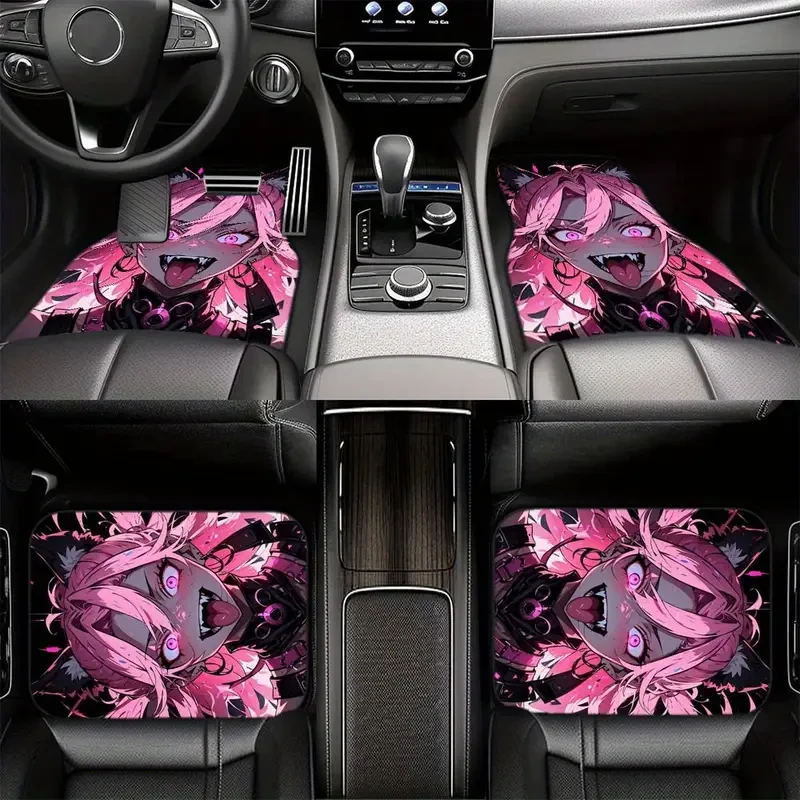
Tongue Sticking Out Anime
Gift Tree Code: AU-NZ-125075
Product Description
Origins of the Tongue-Out Anime Expression
The tongue-out gesture in anime, known colloquially as “tehepero” (てへぺろ) in Japanese, originates from a mash-up of sounds: “tehe” (a giggle) and “pero” (the sound effect of sticking one’s tongue out). It's commonly associated with characters showing playful embarrassment, making a cheeky mistake, or trying to lighten the mood after doing something silly.
It first gained traction in shoujo anime and manga, typically appearing in comedic or light-hearted scenes. Over time, the expression evolved into a trope — used in both male and female characters, from sweet and innocent types to confident tricksters or "genki girls." Today, you’ll see this pose in everything from slice-of-life comedies to fantasy adventures and even romantic dramas.
Character Types That Use the Expression
While the tongue-out face appears across many anime genres, it is especially linked with certain archetypes. Some examples include:
-
The Mischievous Protagonist: Characters who enjoy pranks or playfully teasing their friends often flash this expression as a
sign of harmless intent or boldness.
-
The Energetic Girl ("Genki Girl"): Loud, enthusiastic characters use the pose to match their bubbly and spontaneous
personality.
-
The Clumsy Beauty: A character who makes a silly mistake might stick out their tongue while nervously laughing, adding
charm to their error.
-
The Teasing Rival: Used during banter or competitive teasing, especially between friends, siblings, or romantic leads.
1. Fan Art & Illustrations
2. Cosplay and Photography
3. Stickers & Merch
4. Online Use & Memes
5. Manga Panels & Doujinshi
Design Elements of the Pose
The effectiveness of the tongue-out anime expression lies in its exaggerated features. Here's what to look for:
- Wide Smile or Tilted Head: Adds cheekiness or slight embarrassment.
- Tongue Sticking Out (Usually to One Side): Central to the “tehepero” feel.
- One Eye Closed or Winking: Enhances the playful tone.
- Blush Marks or Sweat Drops: Used to amplify silliness or innocence.
- Sound Effect Bubble (てへぺろ): Occasionally included in visual media or fan art for comedic effect.
These components make the image both cute and expressive, which is ideal for art, social content, or merchandise.
In the local anime scene, this expression resonates with fans for several reasons:
- It’s Relatable: Everyone makes mistakes or gets cheeky — this pose reflects real, human playfulness.
-
It’s Fun to Recreate: Artists, cosplayers, and content creators enjoy mimicking the pose for TikToks, selfies, or design
practice.
-
It’s Emotionally Light: In a world of intense dramas and complex plots, a simple, silly pose adds balance and comic relief.
Incorporating It Into Your Creations
If you’re crafting anime-inspired designs, creating sticker packs, or making themed apparel, this expression is a fan-favourite for visual flair. Consider adding it to:
- Digital avatars
- Emote packs for Twitch or Discord
- Printable planner stickers
- Wall art prints or posters
- Tote bags or mugs with fan designs
Summary
Whether you’re a fan, an artist, or just someone who loves cute and cheeky visuals, this expression captures the joyful side of anime — a side that resonates far beyond the screen.
The product may be provided by a different brand of comparable quality.
The actual product may vary slightly from the image shown.
Shop amazing plants at The Node – a top destination for plant lovers